
Skin Tag Removal on the Face: Safe Options That Work
A skin tag on the face is rarely a health worry, but it is one of the small things people most want gone. Here is how it is removed safely, and the home methods to avoid.
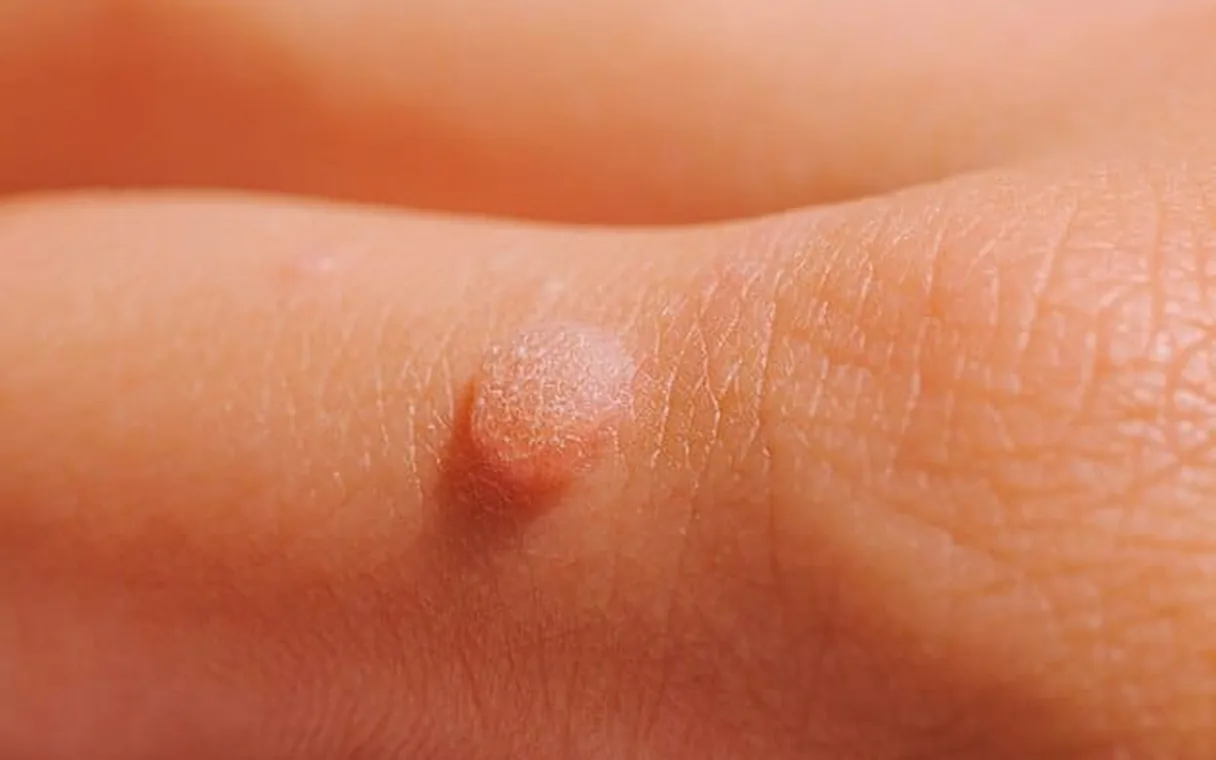
- Skin tags are small, soft, harmless growths, common where skin rubs against skin or clothing.
- On the face they are usually removed for comfort or cosmetic reasons, not for health.
- The safe methods are cautery, a surgical snip, or laser, all doctor-led under local numbing.
- Home tag-removal bands, acids, and creams scar the face and can cause infection. Avoid them.
A skin tag on the face is rarely a medical problem, but it is one of the small things people most want gone. The good news is that removal is quick and safe when it is done properly.
This guide explains what skin tags are, why they appear on the face, the home methods to avoid, and how a clinic removes them cleanly.
Skin tags are harmless and are not a sign of skin cancer, according to the NHS, but any growth that changes, bleeds, or looks unusual should be checked by a doctor before removal. Source: NHS.
What is a skin tag?
A skin tag is a small, soft, skin-coloured growth that hangs off the skin on a tiny stalk. They are made of loose collagen and blood vessels, and they are completely benign [1].
They appear most often where skin rubs against skin or clothing, such as the neck, eyelids, and underarms. On the face they are usually noticed around the eyes and jawline.
Why do skin tags appear on the face?
Skin tags form where there is friction, so anything that rubs the same spot repeatedly can encourage them. They become more common with age, during pregnancy, and where the skin folds.
- Friction from glasses, collars, jewellery, or rubbing the face.
- Hormonal change such as pregnancy, which is why some appear and then settle.
- Age and skin type, as tags simply become more common over time.
- Weight gain, as tags are more common where skin folds and rubs, such as the neck. This free BMI and skin check uses the Asian cut-offs.
None of these make a skin tag dangerous. They are a cosmetic and comfort issue, not a health one.
Are home remedies safe for removing a skin tag?
No, not on the face. Tag-removal bands, apple cider vinegar, and online creams are designed to kill the tag by cutting off its blood supply or burning it, and on facial skin that means uneven scarring and a real risk of infection [4].
The face is the worst place to experiment, because the skin is thin and any mark is visible. A growth you assume is a tag can also be something else, which is the second reason to have it looked at rather than treated blind.
How does a doctor remove a skin tag?
A clinic removes a skin tag in minutes, under local numbing, using one of three safe methods chosen to suit its size and position. You go home the same day.
- Cautery (electrocautery). A fine heated tip removes the tag and seals the base, which suits small facial tags.
- Surgical snip. The tag is removed at the stalk with sterile scissors, ideal for larger tags.
- Laser. A focused laser removes the tag with fine control, useful near delicate areas.
Because a clinician removes it, anything that looks unusual can be assessed at the same time rather than ignored. For darker raised growths, our guide to removing a black mole on the face explains when a growth needs closer attention.
Skin tag, milia, or wart: how do you tell them apart?
These three are easy to confuse, and the difference changes the treatment. A skin tag is soft and hangs on a small stalk, a milium is a hard white bump that sits flush with the skin, and a wart is a rough, viral growth that can spread.
You do not have to diagnose your own skin. A clinician can tell them apart in seconds and treat each correctly, which is far safer than guessing and reaching for the wrong home method. Using a wart treatment on a mole, or a tag band on a milium, is how avoidable scars happen.
When should a skin tag be checked by a doctor?
Have a growth assessed before removal if it has changed in size or colour, bleeds without being caught, itches, or simply does not look like the soft, pale tags you have had before. A changing growth is checked against the ABCDE rule to be safe [2].
If you are unsure whether something is a tag, a mole, or another lesion, that uncertainty is exactly what a consultation resolves. Our guide on mole removal and what it costs covers the assessment side in more detail [3].
What is recovery and aftercare like?
Recovery from skin tag removal is straightforward. A small scab forms and settles within a week or so, and most people carry on as normal the same day.
Keep the area clean, avoid picking the scab, and protect it from strong sun until it has healed so the new skin colours evenly. You can see the wider range of doctor-led skin treatments we offer.
Can skin tags come back after removal?
A skin tag that is properly removed does not grow back. New tags can still form elsewhere, though, especially in areas of friction, so a tag returning in the same spot is worth having checked.
There is no way to guarantee you will never get another, but keeping skin clean and reducing friction where you can will help. Removal itself is a small, low-risk procedure when a clinician does it on properly assessed skin.
Common questions, answered by the doctor
No. Skin tags are harmless and are not linked to skin cancer. A growth that changes, bleeds, or looks unusual should still be checked before removal.
The area is numbed first, so the removal itself is comfortable. There may be very mild tenderness for a day afterwards.
Not safely on the face. Bands, acids, and creams scar facial skin and can cause infection. Facial skin tags should be removed by a clinician.
A properly removed tag does not grow back. New tags can form elsewhere, particularly where skin rubs, but that is a separate growth.
Removing a skin tag usually takes only a few minutes, and most patients leave the same appointment with it gone.
They can look similar. A clinician can tell the difference and check anything that looks unusual, which is safer than treating it blind.
Speak to Dr Taskeen Iqbal
Message the clinic with your concern and a photo if you have one. Dr Taskeen Iqbal will tell you whether you need to come in, and what the right next step is.