
Laser Wart Removal in Islamabad: Safe, Effective Treatment
Warts are harmless but viral, so they can spread and return. Here is how laser removal works, how it compares with other methods, and what recovery involves.
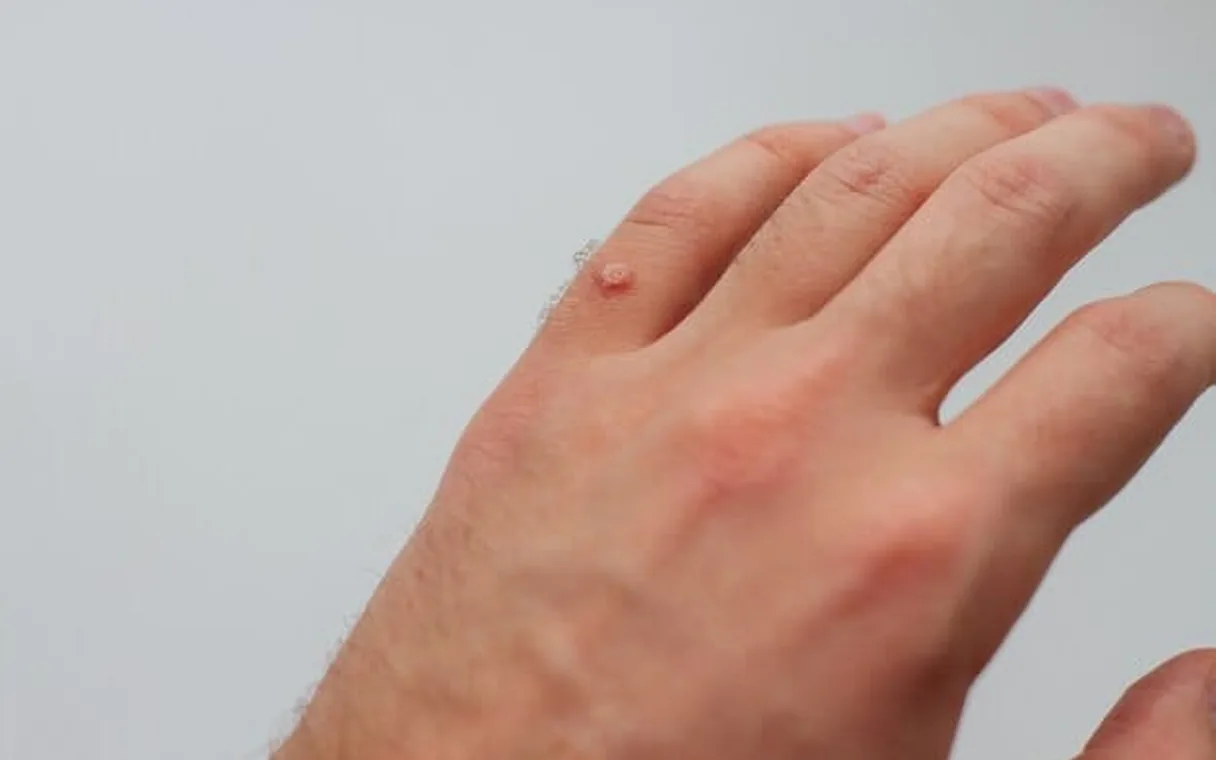
- Warts are caused by the human papillomavirus (HPV) and are mildly contagious, so early treatment helps.
- Laser removal destroys the wart precisely and suits stubborn or recurrent warts.
- Other options include freezing, salicylic acid, and electrocautery, chosen to suit the wart.
- Healing usually takes about seven to ten days, and good aftercare lowers the chance of return.
Warts have a habit of appearing at the worst time and refusing to leave. They are harmless, but because they are caused by a virus they can spread and come back, which is why getting them treated properly is worth it.
This guide explains what warts are, how laser removal works, how it compares with other methods, and what recovery looks like.
Warts are caused by the human papillomavirus (HPV) and can spread to other areas and other people, which is why the NHS notes that treating and not picking them helps stop them spreading. Source: NHS.
What are warts, and what causes them?
A wart is a small, rough growth caused by the human papillomavirus infecting the top layer of skin [1]. They are common on the hands, face, and feet, where the virus enters through small breaks in the skin.
Because they are viral, warts are mildly contagious and can spread by touch or by picking at them. Most are harmless, but they can be stubborn and socially awkward, especially on the face.
Common types of wart
Not all warts look alike. Common warts are raised and rough, flat warts are smaller and smoother and often cluster on the face, and filiform warts are the thread-like ones that grow around the eyes, nose, and mouth.
The type guides the treatment. Flat and filiform facial warts in particular do best with precise, doctor-led removal rather than over the counter kits made for tougher skin on the hands and feet.
Why treat a wart early?
Treating a wart early matters because the virus can spread to nearby skin and to other people while the wart is active. A single facial wart left alone can become several.
Early treatment also means a smaller area to treat and a cleaner result. Picking at a wart is the main way it spreads, and it raises the risk of infection [2], so it is best left to a clinician.
How does laser wart removal work?
Laser wart removal uses a focused beam to heat and destroy the wart tissue, including the small blood vessels that feed it. The area is numbed first, and the wart is removed precisely without heavy cutting.
Because the laser is so targeted, it spares the surrounding skin, which matters on the face. It is especially useful for warts that have not responded to creams or freezing.
What are the benefits of laser wart removal?
Laser removal is popular for facial warts because it is precise and gentle on the skin around the growth. For a suitable wart, it removes the tissue in a single, controlled session.
- Precision. The beam targets the wart and spares nearby skin, which protects the look of the face.
- Speed. Most treatments take only a few minutes once the area is numb.
- Minimal downtime. You go home the same day and can usually return to normal activity.
- Stubborn warts. It suits warts that have resisted freezing or acid treatments.
None of this makes laser the right answer for every wart, which is why the method is matched to your case rather than sold as a default.
What happens during the procedure?
First, the growth is confirmed to be a wart, because a few other lesions can mimic one. The area is then cleaned and numbed with local anaesthetic, so the treatment itself is comfortable.
The laser is applied in short passes until the wart tissue is removed, and a small dressing is used if needed. The appointment is usually brief, and you leave with clear aftercare instructions. If a growth turns out not to be a wart, it is assessed against the ABCDE rule, and our guide to mole assessment and removal explains what follows [4].
Is laser the best option, or are there alternatives?
Laser is one of several effective options, and the right one depends on the wart's size, number, and location. A good clinic matches the method to the wart rather than using one tool for everything.
- Cryotherapy freezes the wart with liquid nitrogen, often over several sessions.
- Salicylic acid treatments slowly break the wart down, better for hands than the face.
- Electrocautery burns the wart off and suits some raised warts.
- Laser gives precise removal, best for stubborn, recurrent, or facial warts.
If you are unsure whether a growth is a wart, a skin tag, or a mole, a consultation settles it. Anything that changes, darkens, or bleeds is checked against the ABCDE rule to be safe [3].
What does recovery and aftercare involve?
Recovery after laser wart removal is short, usually about seven to ten days. A small scab forms over the treated area and settles on its own.
Keep the area clean and dry, avoid picking the scab, and protect it from sun while it heals. Good aftercare lowers the chance of the wart returning, although because warts are viral, no method can promise it will never come back.
Where can you have a wart removed safely?
A wart should be removed by a clinician who can confirm it is a wart, choose the right method, and work sterile. A parlour cannot do any of those things, and DIY freezing kits often scar facial skin.
For anything on the face especially, doctor-led removal protects both the result and your skin. You can see the wider range of doctor-led skin treatments we offer across Islamabad and Rawalpindi.
Common questions, answered by the doctor
Yes, warts are caused by HPV and can spread by touch or by picking at them. Treating them and not picking helps stop them spreading.
The area is numbed first, so the procedure is comfortable. There may be mild soreness for a day or two as it heals.
Healing usually takes about seven to ten days, as a small scab forms over the treated area and settles on its own.
Often not, but because warts are viral, no method can guarantee it. Good aftercare and not picking lower the chance of return.
Home freezing kits and acids are not made for facial skin and can scar it. A facial wart should be removed by a clinician.
Many warts clear in a single laser session, but stubborn or multiple warts may need more. This is confirmed at the consultation.
Speak to Dr Taskeen Iqbal
Message the clinic with your concern and a photo if you have one. Dr Taskeen Iqbal will tell you whether you need to come in, and what the right next step is.