
Microdermabrasion Side Effects: What to Expect and How to Manage Them
Microdermabrasion is one of the gentlest skin treatments, but any time you resurface skin there can be side effects. Here is exactly what to expect, from the normal pinkness to the rarer reactions, how to manage each one, and what matters most on darker Pakistani skin.
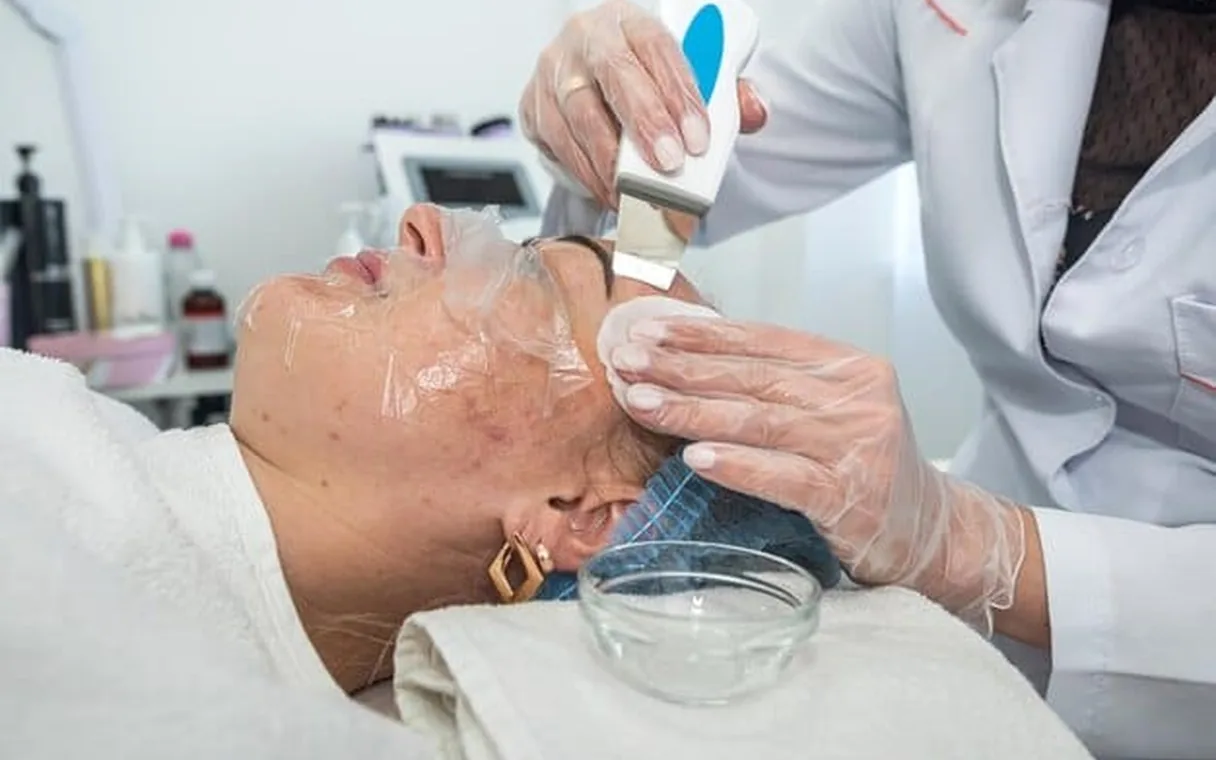
- Microdermabrasion is a superficial exfoliation of the top layer of skin, with no real downtime and an excellent safety record in trained hands.
- Common side effects are mild and short-lived: redness, dryness or flaking, mild swelling, temporary breakouts, and increased sun sensitivity.
- Rarer effects include skin discolouration, broken capillaries, and, very rarely, infection, usually when treatment is too aggressive or aftercare is skipped.
- On darker Pakistani skin the main risk is temporary darkening, which gentle settings and daily sun protection largely prevent. Individual results vary.
Microdermabrasion sounds more dramatic than it is. In practice it is a controlled, superficial exfoliation that lifts away the outermost layer of dead skin to leave the face smoother and brighter. It treats only the top layer, so the skin recovers quickly, and serious problems are uncommon when it is done properly [1].
That said, it is still a treatment, and knowing what is normal stops you panicking over a bit of redness, while also flagging the few reactions that are worth a doctor's attention.
Microdermabrasion is a minimally invasive procedure that resurfaces only the surface layer of skin, with no anaesthesia and no downtime. Side effects are usually minimal, most often short-lived redness, swelling, or tenderness, similar to a mild sunburn for a day or two, and it has an excellent safety record when performed by a clinician. Source: American Academy of Dermatology, microdermabrasion FAQs.
What is microdermabrasion, and how does it work?
Microdermabrasion is a supercharged, controlled exfoliation. By removing the outermost layer of dead skin it improves texture, softens the look of fine lines, and evens skin tone, giving that fresh, post-facial glow. Because it works only on the surface, it suits dullness, rough texture, and mild congestion well, but it will not lift deep wrinkles, replace lost volume, or erase indented scars, which need different treatments. There are two common methods, and the right one depends on your skin type and sensitivity.
- Crystal microdermabrasion. Fine crystals are sprayed onto the skin and vacuumed straight back up, carrying dead cells with them.
- Diamond-tip microdermabrasion. A wand with a diamond-coated tip gently buffs the skin, with no loose crystals involved.
Most people need a series of sessions rather than one, often spaced weekly to monthly depending on the goal [2].
What are the common side effects of microdermabrasion?
Most reactions are mild and settle on their own within hours to a couple of days [2]. Here is what to expect and how to manage each one.
| Side effect | How long it lasts | How to manage it |
|---|---|---|
| Redness and flushing | A few hours, longer on sensitive skin | Cool compress, gentle fragrance-free moisturiser |
| Dryness or light flaking | A few days | Moisturise well, hydrate, skip harsh exfoliants for a week |
| Mild swelling | Usually hours | Cool compress, sleep with the head slightly raised |
| Temporary breakouts | Until the skin settles | Keep skin clean, oil-free non-comedogenic products, do not pick |
| Sun sensitivity | Around 48 hours and beyond | Daily SPF, avoid direct sun, wear a hat |
The sun sensitivity is the one to take seriously, because freshly resurfaced skin pigments easily, and dermatologists stress daily sun protection after any resurfacing [4].
What are the rarer side effects?
Most people never see these, but they are worth knowing. The most relevant for our patients is skin discolouration: temporary darkening, called post-inflammatory hyperpigmentation, or lighter patches, which are more likely on deeper skin tones and usually follow either an over-aggressive treatment or skipped sun protection [3]. Treatment that is too forceful can also break tiny surface capillaries, leaving small red marks, and any exfoliation carries a small infection risk if bacteria get in.
If discolouration lingers, it is treatable, and a course of Q-Switch laser for pigmentation can help, but the better plan is to prevent it with the right settings and good aftercare. See a doctor if you notice unusual swelling, pain, or any pus.
Microdermabrasion is one of the gentlest treatments we offer, and most people have nothing more than a day of pinkness. The side effects that do matter, like darkening on deeper skin, are almost always about going too aggressive or skipping sun protection, both of which are avoidable.
Dr Taskeen Iqbal, Aesthetic Physician
How should you care for your skin afterwards?
Your skin is more sensitive for a few days, so treat it gently and the side effects stay minimal.
- Moisturise well to keep the skin barrier comfortable
- Use a broad-spectrum SPF every day, even indoors near a window [4]
- Pause strong actives like retinol and AHAs for about a week
- Stay hydrated, and avoid heavy makeup for the first twenty-four hours
If a gentle, no-downtime glow is what you are after, microdermabrasion sits alongside a HydraFacial, while a carbon laser peel is a deeper option for oilier, more congested skin.
Who should avoid microdermabrasion?
It suits most people, but skip it, or speak to a doctor first, if any of these apply:
- Active acne, rosacea, or eczema, which it can aggravate
- Cuts, open wounds, or any infection on the face
- You are taking strong acne medication such as isotretinoin
- Your skin is already heavily over-processed from recent treatments
A doctor-led assessment sets the device and intensity to your skin type, which is what keeps side effects low, especially on darker skin. It is also where a test of how your skin reacts, and an honest conversation about what microdermabrasion can and cannot do for your particular concern, prevents disappointment later. You can see the full range of doctor-led skin treatments we offer.
Sources and references
- American Academy of Dermatology. Microdermabrasion: FAQs. aad.org
- National Library of Medicine (StatPearls). Microdermabrasion. ncbi.nlm.nih.gov
- DermNet. Post-inflammatory hyperpigmentation. dermnetnz.org
- American Academy of Dermatology. Sunscreen FAQs. aad.org
Common questions, answered by the doctor
Yes, but they are usually mild and temporary, most often redness, slight dryness, and a little swelling. The skin can feel sensitive for a day or two. A gentle, doctor-led approach keeps any discomfort to a minimum.
If it is done too aggressively or by an inexperienced operator, it can cause excess irritation, dryness, or broken capillaries. That is why the choice of clinic matters, and why settings are matched carefully to your skin type.
Expect smoother, brighter skin, with mild redness or light flaking possible for a few days. Keeping the skin moisturised, hydrated, and protected with daily SPF helps it settle and gives the best result.
Generally yes, but on deeper skin tones an over-aggressive treatment can cause temporary darkening. Gentle settings, a trained clinician, and strict daily sun protection are what keep it safe on Pakistani skin.
Most people need a series rather than a single session, often spaced weekly to monthly depending on the concern. Your provider will set the schedule at your consultation based on your skin and goals.
You can book a consultation at the clinic in Bahria Town, serving Islamabad and Rawalpindi. Your skin is assessed in person and the treatment is tailored to keep side effects low and results consistent.
Speak to Dr Taskeen Iqbal
Message the clinic with your concern and a photo if you have one. Dr Taskeen Iqbal will tell you whether you need to come in, and what the right next step is.