Q-Switch Laser Treatment in Islamabad

Q-Switch Laser Treatment in Islamabad

Q-Switch Laser Treatment in Islamabad & Rawalpindi

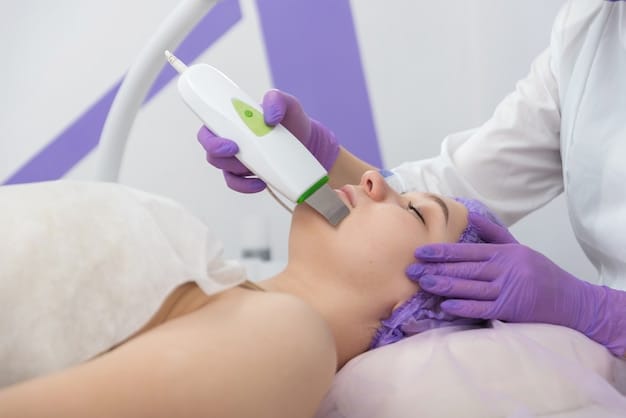
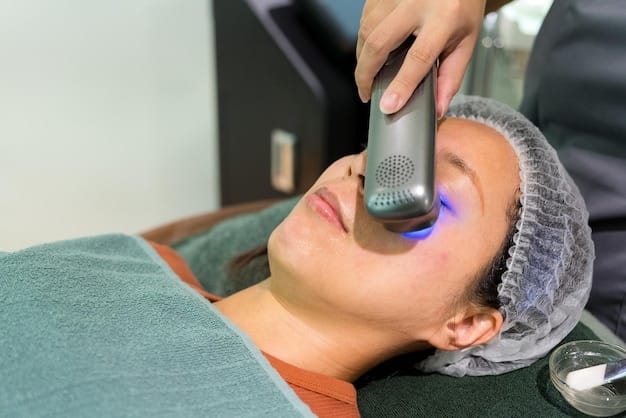
Q-switch laser treatment is one of the most established and versatile laser procedures in modern aesthetic medicine. At my clinic in Bahria Town Phase 8, Rawalpindi, I use Q-switch ND:YAG laser to address pigmentation concerns including melasma, sun damage, freckles, and post-inflammatory hyperpigmentation, as well as for tattoo removal and certain types of skin rejuvenation. As an aesthetic physician with formal training in laser medicine, I calibrate the laser settings precisely to your skin type and concern.

What Is Q-Switch Laser?

Q-switch refers to a specific type of laser technology that delivers extremely short, high-intensity pulses of light. The pulses are so brief — measured in nanoseconds — that they shatter pigment particles in the skin or in tattoo ink without significantly damaging the surrounding tissue. The body’s immune system then gradually clears the broken-down pigment over several weeks. This is why Q-switch is the gold standard for treating pigmentation issues and removing tattoos: it works at a level no topical product or chemical peel can reach.

What Q-Switch Laser Can Treat

  • Pigmentation: Melasma, sun spots, freckles, age spots, and post-inflammatory hyperpigmentation respond well to Q-switch when treatment is properly calibrated for your skin type.
  • Uneven Skin Tone: Q-switch facials at low energy settings produce gradual improvements in overall skin tone, brightness, and texture.
  • Tattoo Removal: The Q-switch laser is the established choice for tattoo removal across most colours, with multi-session protocols designed individually for each tattoo.
  • Acne Scarring: Certain types of pigmented post-acne marks improve with Q-switch treatment.
  • Skin Rejuvenation: Low-energy Q-switch protocols, sometimes combined with carbon facials, support overall skin renewal and a more even tone.
Q-Switch Laser Treatment in Islamabad

Why I Use Q-Switch Laser

Q-switch laser remains my preferred technology for pigmentation work because the precision of the pulses allows targeted treatment without the broader skin damage associated with older laser types. The treatment is suitable for the deeper South Asian skin tones common in our patient population in Islamabad and Rawalpindi when properly calibrated. The most important factor in safe and effective Q-switch treatment is the practitioner’s understanding of laser physics, skin biology, and individual patient assessment. I take all of these seriously.

Q-Switch Laser Treatment in Islamabad

High Intensity with Precision

The pulse duration is so short that it targets pigment without damaging surrounding tissue, making it safer for darker skin tones than many other laser options.
Q-Switch Laser Treatment in Islamabad

Versatile and Comprehensive

From melasma and sun damage to tattoo removal and post-acne pigmentation, Q-switch addresses a wide range of concerns when properly calibrated for each patient.
How the Q-Switch ND:YAG Laser Works

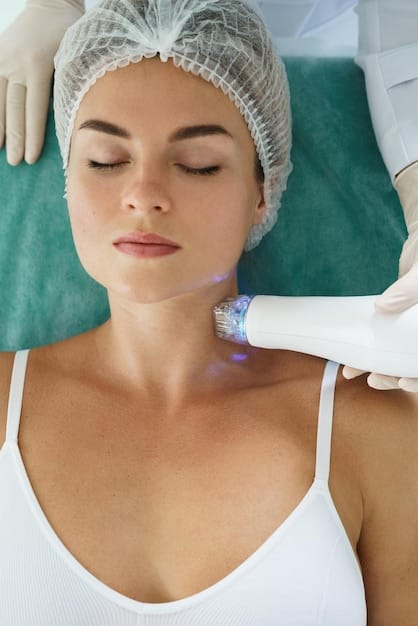
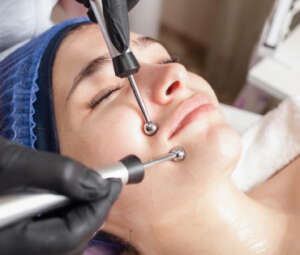
The Q-switch ND:YAG laser delivers nanosecond pulses of light at a wavelength absorbed selectively by pigment in the skin or by tattoo ink particles. The energy shatters the pigment into fragments small enough for the body to clear naturally through its immune system over the following weeks. Multiple sessions are typically needed because each session can only break down a portion of the pigment safely. The interval between sessions allows the body time to clear the previous round before the next treatment.

Pricing and Treatment Plans

I do not publish flat pricing because the appropriate treatment plan varies considerably based on the type of pigmentation, the area being treated, your skin type, and the number of sessions required. After examining your skin and discussing your goals during the consultation, I will give you a clear breakdown of what your treatment will involve. Contact me via WhatsApp at +92 330 936 8682 to arrange a consultation.

Q-Switch Laser Treatment in Islamabad

Safety and Side Effects

Q-switch laser has an excellent safety profile when administered by a qualified practitioner with proper assessment and dosing. The most common effects are temporary mild redness or slight darkening of treated pigment for a few days, both of which resolve as part of the normal healing process. Significant side effects are rare with proper technique. Sun protection in the days and weeks following treatment is essential to prevent rebound pigmentation. I provide clear written aftercare instructions before you leave the clinic.

We Also Provide

Book Your Q-Switch Laser Consultation

Pigmentation concerns are some of the most rewarding to treat properly because the difference good treatment makes is often dramatic. If you have melasma, sun damage, freckles, post-acne marks, or want to discuss tattoo removal, the most useful first step is a proper assessment. Contact me via WhatsApp at +92 330 936 8682 to book a consultation at my clinic in Bahria Town Phase 8, Rawalpindi.

FAQs

Is the Nd YAG Laser Safe?

Yes, the Q-switch ND:YAG laser is one of the safer laser options for South Asian skin tones when properly calibrated. The short pulse duration targets pigment without significantly damaging surrounding tissue. Safety depends entirely on the practitioner’s training, assessment, and dosing decisions. As an aesthetic physician with formal training, I assess every patient individually before treatment.

Q-switch ND:YAG laser is used to treat pigmentation issues including melasma, sun damage, freckles, and age spots, as well as for tattoo removal and certain types of skin rejuvenation. It is also effective for some kinds of post-acne marks and uneven skin tone.

The number of sessions depends on the condition being treated. For pigmentation issues, three to six sessions spaced four to six weeks apart are typical. For tattoo removal, six to twelve or more sessions may be needed depending on tattoo size, colour, and depth. I assess your specific situation during consultation and design a treatment plan accordingly.

Initial improvements in pigmentation typically become visible within four to six weeks of the first session, as the body clears the broken-down pigment. Significant cumulative improvements develop over the course of several sessions. Tattoo removal results progress gradually session by session over the full treatment programme.

You may experience mild redness, slight swelling, or a temporary darkening of the treated pigment for a few days after treatment. These are all normal parts of the healing response and resolve quickly. I provide written aftercare instructions covering exactly what to expect and how to support your recovery.

Most patients experience minimal downtime. Mild redness or slight crusting in treated areas typically resolves within one to three days. You can usually return to your normal activities the same day, with the main precaution being strict sun protection in the weeks following treatment.

While Q-switch can have some effect on hair pigment, it is not the most effective laser for hair removal. For permanent laser hair removal, I use a different laser type calibrated specifically for follicle targeting. I would be happy to discuss the right option for your hair removal goals during your consultation.

Discomfort is minimal and most patients describe the sensation as a brief snapping feeling at each laser pulse, similar to a small elastic band. The treatment is well-tolerated by the vast majority of patients without need for topical anaesthetic, though anaesthetic can be applied for more sensitive areas if needed.

Side effects are uncommon with proper technique. Mild and temporary effects can include redness, slight swelling, or transient pigment darkening before clearance. With careful patient selection and appropriate dosing, significant complications are rare. I tailor every session to your specific skin type and response.

The Q-switch laser is highly effective for addressing pigmentation irregularities that contribute to uneven skin tone. It is not a skin lightening treatment in the sense of changing your natural skin colour, but rather a tool for treating specific pigmented lesions and improving overall tone. I take a medically grounded approach rather than promoting unrealistic claims about skin colour change.

Results last several months to several years depending on the condition treated and your sun exposure habits. Sun protection is the single most important factor in maintaining results, particularly for melasma which can return with UV exposure. I discuss maintenance strategies during your consultation and at follow-up visits.

Pricing for Q-switch ND:YAG treatment varies based on the area being treated and the number of sessions required. I provide a clear cost breakdown after assessing your skin and designing a treatment plan suited to your specific condition. Contact me via WhatsApp to arrange a consultation.

The cost of Q-switch laser treatment depends on the size of the area being treated and the number of sessions in your plan. I do not publish flat pricing because appropriate treatment varies significantly between patients. I provide detailed cost information after your consultation.

Yes, Q-switch laser is highly effective for treating pigmentation, post-acne marks, and tattoos. It is well-supported by clinical evidence and remains the gold standard for many of these concerns. Effectiveness depends on accurate diagnosis of your specific condition and proper laser calibration, which is why a medical assessment is the right starting point.

Most patients require three to six sessions for pigmentation concerns, spaced four to six weeks apart to allow the body to clear the broken-down pigment between treatments. For tattoo removal or certain complex pigmentation patterns, more sessions may be needed. I design the protocol individually based on your specific situation.

Q-switch is highly effective but is not the only option for every concern. For deeper textural issues such as significant acne scarring, treatments such as PRP with micro-needling or fractional approaches may be more appropriate. For some surface concerns, a HydraFacial or carbon laser facial may be a better fit. I assess each patient individually and recommend the right approach based on the specific concern.